The Future of Smart Farming with IoT-Based Garden Monitoring Systems
Modern agriculture is undergoing a major transformation. Farmers around the world are increasingly turning to advanced technologies to improve crop production, reduce waste, and manage resources more efficiently. Among the most promising innovations is the use of Internet of Things (IoT)-based garden monitoring systems. These smart systems combine sensors, wireless communication, cloud computing, and automation to create a more intelligent and sustainable farming environment.
As climate change, population growth, and food security concerns continue to rise, smart farming is no longer a futuristic concept. It is becoming a necessity. IoT-based garden monitoring systems are helping farmers make better decisions, optimize crop health, and increase productivity while minimizing environmental impact.
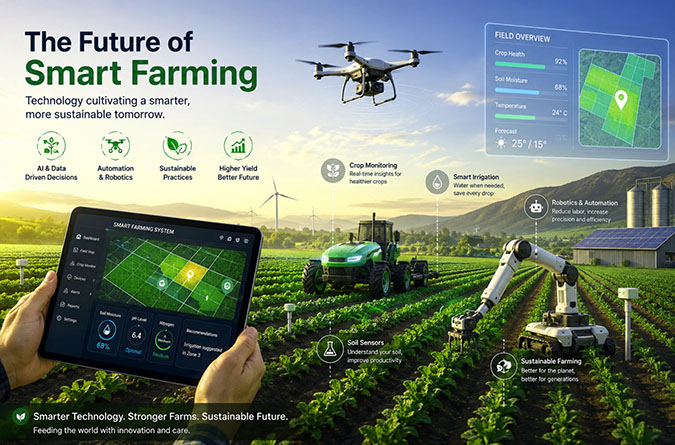
Understanding IoT in Smart Farming
The Internet of Things refers to a network of connected devices that collect and exchange data through the internet. In agriculture, IoT devices include soil sensors, weather stations, water level monitors, drones, cameras, and automated irrigation systems. These devices continuously gather real-time information from the field and send it to centralized platforms where the data can be analyzed.
A smart garden monitoring system works by tracking various environmental conditions such as:
- Soil moisture
- Temperature
- Humidity
- Light intensity
- Nutrient levels
- Weather conditions
- Water usage
Farmers can access this information through mobile applications or computer dashboards, allowing them to monitor crops remotely and respond quickly to changing conditions.
The Growing Need for Smart Farming
Traditional farming methods often rely heavily on manual labor and guesswork. Farmers may water crops based on routine schedules rather than actual soil conditions. Fertilizers may be applied uniformly without considering nutrient variations across different areas of land. These practices can lead to water waste, reduced crop quality, and higher operational costs.
IoT-based monitoring systems solve these problems by providing accurate and real-time insights. Precision agriculture allows farmers to apply the right amount of water, fertilizer, and pesticides exactly where they are needed. This targeted approach improves efficiency and supports sustainable farming practices.
The growing global population also increases demand for food production. According to international agricultural studies, food production must significantly increase over the coming decades to feed billions of people. Smart farming technologies can help achieve this goal without putting excessive pressure on natural resources.
Key Components of IoT-Based Garden Monitoring Systems
Smart Sensors
Sensors are the foundation of any IoT farming system. Soil moisture sensors detect how much water is available in the soil, helping farmers prevent overwatering or underwatering. Temperature and humidity sensors monitor environmental conditions that affect plant growth.
Advanced sensors can even detect nutrient deficiencies and signs of plant disease before visible symptoms appear. Early detection helps reduce crop losses and improve harvest quality.
Wireless Connectivity
IoT devices communicate using wireless technologies such as Wi-Fi, Bluetooth, Zigbee, LoRaWAN, or cellular networks. These communication systems enable sensors to transmit data over long distances, even in remote farming areas.
Reliable connectivity is essential for ensuring that farmers receive timely updates and alerts about their crops.
Cloud Computing and Data Analytics
The collected data is stored and analyzed using cloud-based platforms. Artificial intelligence and machine learning algorithms can identify patterns, predict future conditions, and recommend farming actions.
For example, the system may analyze weather forecasts and soil moisture levels to determine the best irrigation schedule. This reduces water consumption and improves plant health.
Automated Irrigation Systems
One of the most valuable features of smart farming is automation. Automated irrigation systems use sensor data to water crops only when necessary. This not only conserves water but also reduces labor costs.
Smart irrigation can be especially important in regions facing water shortages or irregular rainfall patterns.
Benefits of IoT-Based Smart Farming
Improved Crop Productivity
Real-time monitoring allows farmers to create optimal growing conditions for crops. Healthy plants produce higher yields and better-quality produce. Farmers can quickly identify and resolve issues before they become serious problems.
Water Conservation
Agriculture consumes a large percentage of the world’s freshwater resources. Smart irrigation systems help minimize water waste by delivering precise amounts of water directly to plant roots.
This efficient use of water is critical in areas affected by drought and climate change.
Reduced Operational Costs
Automation reduces the need for constant manual labor. Farmers spend less time inspecting fields and more time making strategic decisions based on data insights.
By using resources more efficiently, farmers can also reduce spending on water, fertilizers, and pesticides.
Environmental Sustainability
IoT-based farming promotes environmentally friendly practices. Precise application of chemicals reduces soil contamination and water pollution. Efficient resource management lowers the carbon footprint of agricultural operations.
Sustainable farming practices help preserve ecosystems while maintaining long-term agricultural productivity.
Remote Monitoring and Control
Farmers no longer need to be physically present in the field at all times. Mobile applications allow them to monitor crops from anywhere in the world.
If a sensor detects abnormal conditions such as low soil moisture or sudden temperature changes, the system can send instant alerts to the farmer’s smartphone.
The Role of Artificial Intelligence in Smart Farming
Artificial intelligence is enhancing the capabilities of IoT farming systems. AI-powered software can analyze massive amounts of agricultural data and generate accurate predictions.
For example, machine learning models can forecast pest outbreaks, estimate crop yields, and identify diseases through image recognition technology. Drones equipped with cameras and AI software can scan fields and detect problems invisible to the human eye.
AI also supports predictive maintenance for farming equipment. By monitoring machinery performance, smart systems can identify potential failures before they occur, reducing downtime and repair costs.
Challenges Facing IoT Agriculture
Despite its advantages, IoT-based smart farming still faces several challenges.
High Initial Investment
Installing sensors, automated systems, and cloud infrastructure can be expensive, especially for small-scale farmers. While long-term savings often justify the investment, upfront costs remain a barrier for many agricultural communities.
Internet Connectivity Issues
Rural farming regions may lack stable internet access. Poor connectivity can disrupt data transmission and reduce system reliability.
Governments and technology companies are working to expand rural internet infrastructure to support digital agriculture.
Data Security and Privacy
IoT systems generate large amounts of sensitive agricultural data. Protecting this information from cyber threats is essential. Farmers need secure platforms that safeguard their operational and financial data.
Technical Knowledge
Some farmers may struggle to adopt advanced technologies due to limited technical skills. Training and educational programs are necessary to help agricultural workers understand and operate smart farming systems effectively.
Future Trends in Smart Farming
The future of smart farming looks incredibly promising. Emerging technologies will continue to improve efficiency, accuracy, and sustainability in agriculture.
Integration with Robotics
Autonomous robots are expected to play a larger role in planting, harvesting, weeding, and crop monitoring. Combined with IoT systems, robots can perform agricultural tasks with remarkable precision.
Blockchain in Agriculture
Blockchain technology may improve transparency in food supply chains. Farmers, distributors, and consumers can track agricultural products from farm to market, ensuring food safety and authenticity.
Advanced Predictive Analytics
Future systems will become even more intelligent through advanced analytics and AI. Farmers will receive highly accurate recommendations based on weather patterns, soil conditions, market trends, and historical crop performance.
Smart Greenhouses
IoT-powered greenhouses can automatically control lighting, temperature, humidity, and ventilation. These environments allow crops to grow year-round with minimal human intervention.
Sustainable Urban Farming
Urban agriculture is also benefiting from smart technologies. Rooftop gardens, hydroponic farms, and vertical farming systems use IoT monitoring to maximize food production in limited urban spaces.
Conclusion
IoT-based garden monitoring systems are reshaping the future of agriculture. By combining real-time data collection, automation, artificial intelligence, and cloud computing, smart farming offers a more efficient and sustainable approach to food production.
These technologies help farmers conserve water, reduce costs, improve crop yields, and protect the environment. Although challenges such as infrastructure, investment, and technical training still exist, ongoing technological advancements are making smart farming more accessible every year.
As the global demand for food continues to rise, IoT-powered agriculture will play a critical role in ensuring food security and environmental sustainability. The farms of the future will not rely solely on traditional methods but will operate as intelligent ecosystems driven by data, connectivity, and innovation.