Platform as a Service (PaaS)
Introduction
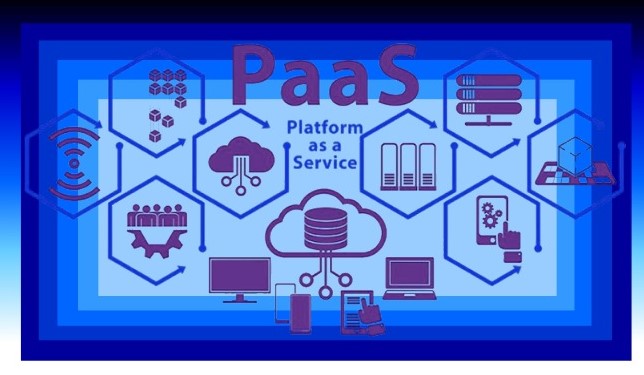
In the rapidly evolving world of cloud computing, Platform as a Service (PaaS) has emerged as one of the most transformative models for businesses, developers, and IT innovators. PaaS provides a complete development and deployment environment in the cloud, offering everything from infrastructure to middleware and development tools — all managed by the service provider.
This model empowers developers to build, test, and deploy applications quickly without worrying about the underlying hardware or software layers. By abstracting the complexity of managing servers and runtime environments, PaaS allows businesses to focus on creativity, innovation, and rapid delivery.
This article explores what PaaS is, how it works, its key components, benefits, challenges, and examples of leading PaaS platforms shaping the digital landscape.
Understanding Platform as a Service (PaaS)
Platform as a Service is a category within the broader cloud computing ecosystem, which also includes Infrastructure as a Service (IaaS) and Software as a Service (SaaS). While IaaS provides the virtualized hardware layer and SaaS delivers ready-to-use software, PaaS sits in between — delivering a complete platform for developing and managing applications.
In essence, PaaS gives developers the tools they need to build applications without the burden of handling infrastructure. This includes operating systems, databases, servers, storage, networking, middleware, and integrated development environments (IDEs).
PaaS providers host these components on their cloud infrastructure and make them accessible through the internet, typically on a pay-as-you-go model. This arrangement reduces costs, increases flexibility, and accelerates time-to-market for applications.
How PaaS Works
The PaaS model operates as a layer atop infrastructure services. A PaaS vendor manages the infrastructure (servers, networking, storage) and provides users with a preconfigured environment where they can focus solely on developing and running applications.
Here’s a simplified breakdown of how it works:
-
Infrastructure Management:
The PaaS provider maintains servers, storage, and networking infrastructure, ensuring scalability, uptime, and performance. -
Platform Layer:
This includes runtime environments, operating systems, and middleware necessary to run applications. Common languages like Python, Java, Ruby, PHP, and Node.js are often supported. -
Development Tools:
PaaS offers a suite of tools such as code editors, version control, testing frameworks, and CI/CD (Continuous Integration/Continuous Deployment) pipelines. -
Application Deployment:
Developers can deploy applications directly to the cloud environment with minimal configuration. The platform automatically handles scaling, load balancing, and monitoring. -
Integration and APIs:
PaaS platforms often include APIs that allow developers to integrate external services, databases, and third-party tools.
This seamless workflow helps development teams focus on writing and refining code instead of managing infrastructure.
Key Components of a PaaS Solution
A robust PaaS ecosystem generally includes several core components designed to support the entire application lifecycle.
-
Application Hosting Environment:
Provides the virtual servers, load balancers, and runtime environments to run applications securely. -
Middleware:
The glue that connects applications to the database and other services. It simplifies communication between various software components. -
Database Management Systems:
PaaS typically includes relational and non-relational databases that are scalable and easy to manage. -
Development Frameworks:
Frameworks such as .NET, Spring, Django, and Laravel help developers build applications efficiently using standard structures and libraries. -
Integration Tools:
APIs and connectors allow seamless integration with other cloud services, enterprise systems, and third-party applications. -
Testing and Monitoring Tools:
Continuous monitoring ensures applications perform optimally, while built-in testing tools facilitate error detection and quality assurance. -
Security and Compliance Management:
PaaS vendors offer robust security features such as identity management, encryption, and compliance with data protection regulations.
Advantages of Platform as a Service
PaaS provides numerous benefits that make it highly attractive for both startups and large enterprises.
1. Faster Development and Deployment
Since PaaS handles the backend infrastructure, developers can focus on coding and innovation. The ready-to-use environment speeds up development cycles and reduces time-to-market.
2. Cost Efficiency
With PaaS, businesses only pay for what they use, eliminating the need to invest in costly hardware and maintenance. This pay-per-use model is particularly beneficial for startups and small enterprises.
3. Scalability
PaaS platforms automatically scale resources based on demand. Whether an application has 10 users or 10 million, the platform adjusts resources accordingly without downtime.
4. Simplified Management
PaaS reduces administrative tasks by handling updates, patches, and server management automatically. This allows IT teams to focus on strategy rather than maintenance.
5. Collaboration and Accessibility
Since PaaS is cloud-based, developers across different locations can collaborate in real-time. The centralized environment ensures consistent versions of tools and codebases.
6. Multi-language Support
PaaS supports multiple programming languages, enabling developers to choose their preferred tools and frameworks for building applications.
7. Enhanced Security
Leading PaaS vendors invest heavily in cybersecurity, providing built-in encryption, data backup, and threat monitoring to safeguard customer data.
Challenges of Using PaaS
Despite its many benefits, PaaS is not without limitations. Businesses must consider these potential challenges before adoption.
1. Vendor Lock-In
Switching from one PaaS provider to another can be difficult due to platform-specific tools and configurations. This can limit flexibility and increase dependency on a single vendor.
2. Limited Customization
Since PaaS providers control the underlying infrastructure, users may have limited ability to customize certain system settings or network configurations.
3. Data Security Concerns
Although PaaS providers implement robust security measures, storing sensitive data on external servers may raise compliance or privacy concerns in certain industries.
4. Downtime and Reliability
Users rely entirely on the provider’s uptime and availability. Any service interruption or outage from the vendor can directly affect application performance.
5. Performance Issues
Shared infrastructure can sometimes lead to latency or reduced performance, especially for resource-intensive applications.
Understanding these challenges helps organizations plan effectively and select PaaS solutions that align with their operational and compliance needs.
Common Use Cases of PaaS
Platform as a Service can be leveraged in various scenarios across industries. Some of the most common use cases include:
-
Application Development and Testing:
Developers use PaaS environments to build, test, and deploy applications without managing servers or databases. -
API Development and Management:
PaaS enables developers to create, deploy, and scale APIs easily, facilitating integration between applications. -
Business Analytics:
Many PaaS solutions include data analytics tools that help organizations analyze large datasets and extract business insights. -
Internet of Things (IoT):
PaaS platforms can process and manage data from IoT devices, supporting large-scale, connected environments. -
Microservices and Containers:
PaaS supports microservices architecture and containerization technologies like Docker and Kubernetes, allowing developers to build modular, scalable systems.
Leading PaaS Providers
Several technology giants dominate the PaaS landscape. Each offers a unique set of tools and capabilities tailored to different development needs.
-
Google Cloud Platform (App Engine):
Google App Engine allows developers to build scalable web and mobile applications without managing infrastructure. It supports multiple languages and integrates seamlessly with other Google services. -
Microsoft Azure App Service:
Azure’s PaaS offering provides powerful tools for web app development, APIs, and mobile backends. It supports .NET, Java, Node.js, and more. -
Amazon Web Services (AWS Elastic Beanstalk):
AWS Elastic Beanstalk simplifies deployment and scaling for applications built in Java, Python, PHP, Ruby, and Go. -
IBM Cloud Foundry:
IBM’s PaaS environment offers flexible runtime options and strong enterprise-level security for building AI-powered and data-driven applications. -
Heroku (Salesforce):
Heroku is known for its simplicity and developer-friendly interface. It is ideal for startups and small teams seeking quick deployment and scaling. -
Red Hat OpenShift:
OpenShift provides a Kubernetes-based PaaS that supports container orchestration, hybrid cloud integration, and DevOps automation.
The Future of PaaS
The future of Platform as a Service is deeply intertwined with emerging technologies such as artificial intelligence (AI), machine learning (ML), and edge computing. As businesses increasingly adopt hybrid and multi-cloud strategies, PaaS providers are evolving to offer greater flexibility, interoperability, and intelligence.
1. AI and Automation Integration
Future PaaS solutions will incorporate AI-driven automation for resource management, predictive maintenance, and application optimization.
2. Multi-Cloud and Hybrid Compatibility
Organizations will seek PaaS solutions that can operate across multiple cloud providers, avoiding vendor lock-in and ensuring redundancy.
3. Low-Code and No-Code Platforms
A new generation of PaaS services is emerging to empower non-technical users. Low-code and no-code platforms simplify app creation, making innovation accessible to business users.
4. Enhanced Security Models
As cybersecurity threats evolve, future PaaS environments will emphasize zero-trust architectures, continuous monitoring, and stronger encryption methods.
5. Sustainability and Green Computing
Cloud providers are investing in energy-efficient data centers and eco-friendly operations, aligning PaaS with global sustainability goals.
Conclusion
Platform as a Service (PaaS) has redefined how businesses build and deploy applications in the cloud era. By offering a complete environment for development and deployment, PaaS eliminates infrastructure complexity, reduces costs, and accelerates innovation.
While challenges like vendor lock-in and data security remain, the overall advantages of agility, scalability, and speed make PaaS an indispensable part of modern IT strategy. As technology continues to evolve, PaaS will play a central role in enabling smarter, faster, and more collaborative digital transformation across industries.
In short, PaaS represents not just a cloud service model — but a new way of thinking about how ideas turn into applications, and how innovation moves from concept to reality in the digital age.